Introduction to Topkapi Palace
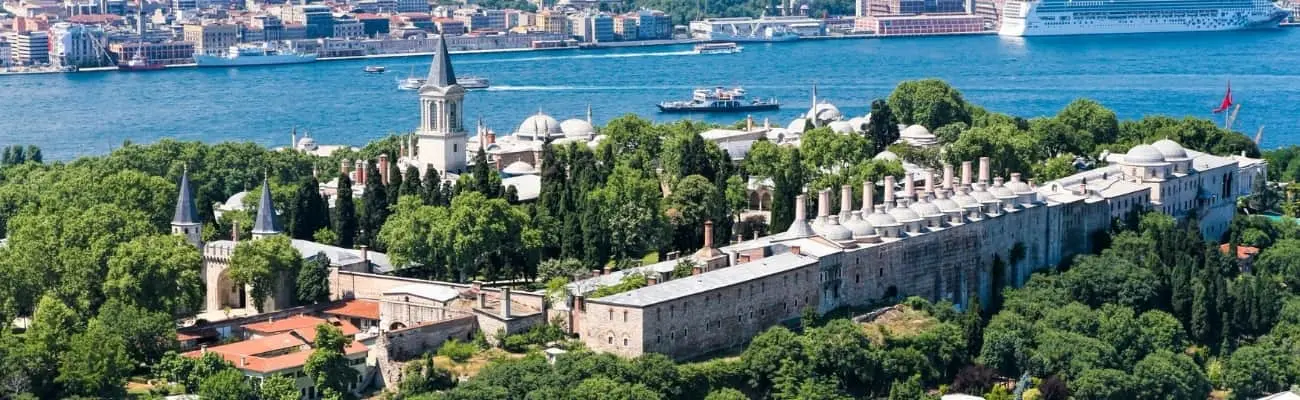
Topkapi Palace stands as one of Istanbul’s most magnificent landmarks a symbol of Ottoman power, grandeur, and refined art. Overlooking the Golden Horn and the Bosphorus, this sprawling complex once served as the administrative heart and royal residence of the Ottoman sultans for nearly four centuries. Today, it is one of Turkey’s most visited museums, inviting travelers to step into the opulent world of an empire that once ruled three continents.
What Makes Topkapi Palace So Famous?
Topkapi Palace is renowned for its vast architectural layout, priceless collections, and extraordinary historical significance. Visitors come to admire its imperial chambers, dazzling treasury, and sacred Islamic relics, all preserved with remarkable authenticity. Every courtyard and hall reflects the grandeur of Ottoman court life, making it one of the best places to understand the empire’s legacy.
Where Is Topkapi Palace Located in Istanbul?
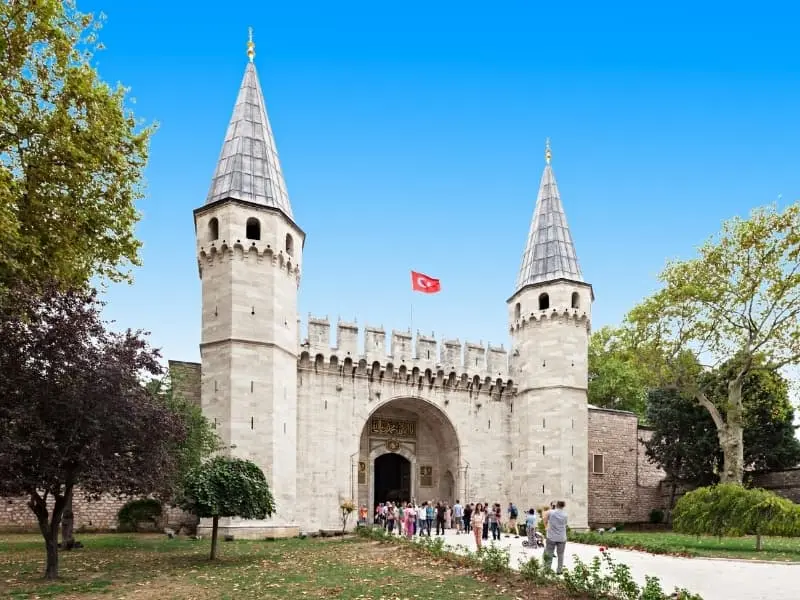
Located in the heart of Istanbul’s historic peninsula, Topkapi Palace sits between Hagia Sophia and the Bosphorus, within walking distance of other major attractions in Sultanahmet. The main entrance, Bab-i Humayun (Imperial Gate), opens from the First Courtyard near Hagia Sophia Mosque.
The History of Topkapi Palace
Construction and Early Years under Sultan Mehmed II
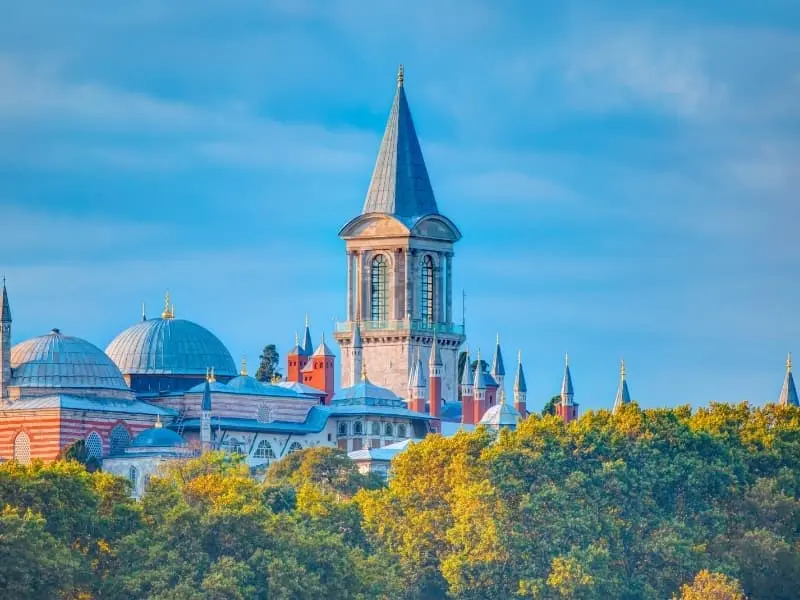
The palace was commissioned by Sultan Mehmed II, also known as Mehmed the Conqueror, after his conquest of Constantinople in 1453. Construction began in 1460 and was completed around 1478. Built on the ancient acropolis of Byzantium, it became the central seat of administration, education, and imperial residence for the Ottoman dynasty.
Expansion During the Golden Age of the Ottoman Empire
During the reign of Suleiman the Magnificent (1520–1566), Topkapi Palace reached its architectural and political zenith. New courtyards, pavilions, and gardens were added, symbolizing the empire’s unmatched prosperity and influence. The Harem was expanded, and the palace became a world of ceremonial splendor and intrigue, where decisions that shaped the fate of nations were made.
Transformation into a Museum after the Republic
Following the fall of the Ottoman Empire and the proclamation of the Republic of Turkey in 1923, Topkapi Palace was transformed into a museum by order of Mustafa Kemal Ataturk in 1924. Since then, it has welcomed millions of visitors, preserving centuries of imperial heritage for the modern world.
Architectural Marvels of the Palace
Courtyards and Imperial Gates
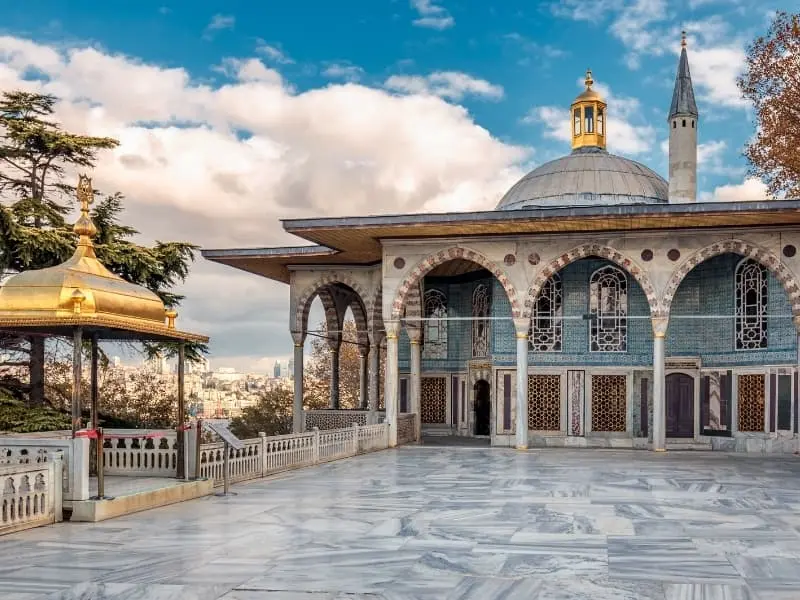
Topkapi Palace is arranged around four grand courtyards connected by monumental gates. Each courtyard had a distinct function from ceremonial processions to administrative affairs. The Imperial Gate, Gate of Salutation, and Gate of Felicity are architectural masterpieces that symbolize the hierarchical nature of Ottoman rule.
The Harem: Private World of the Sultans
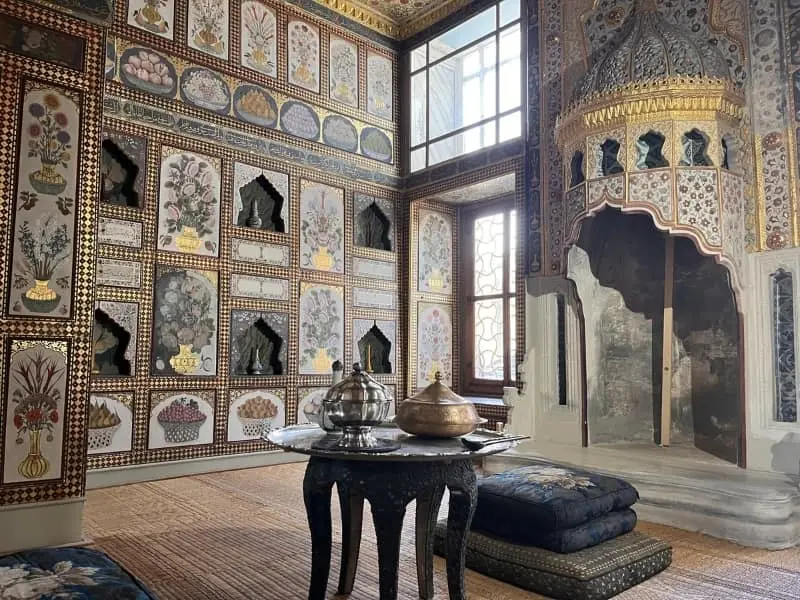
The Harem was the secluded private residence of the sultan and his family a labyrinth of more than 400 rooms adorned with exquisite Iznik tiles and gilded ceilings. It was home to the Valide Sultan (the sultan’s mother), the sultan’s wives, and concubines, as well as eunuchs who guarded its mysteries. Walking through its ornate chambers feels like stepping back into the intimate life of the Ottoman court.
The Audience Hall and Divan Chamber
These chambers were the heart of imperial administration. The Divan Chamber, where viziers held council meetings, and the Audience Hall, where the sultan received ambassadors, exemplify the majesty and precision of Ottoman governance. Their walls are decorated with calligraphy and mother-of-pearl inlays symbolizing authority and divine order.
Stunning Iznik Tiles and Ottoman Calligraphy
The palace interiors display some of the finest examples of 16th-century Iznik tiles, celebrated for deep cobalt blues, greens, and stylized floral motifs. Ottoman calligraphy and the imperial tughra decorate domes and walls, merging faith and artistry into a seamless visual experience.
Treasures of the Imperial Collections
The Imperial Treasury and Precious Jewels
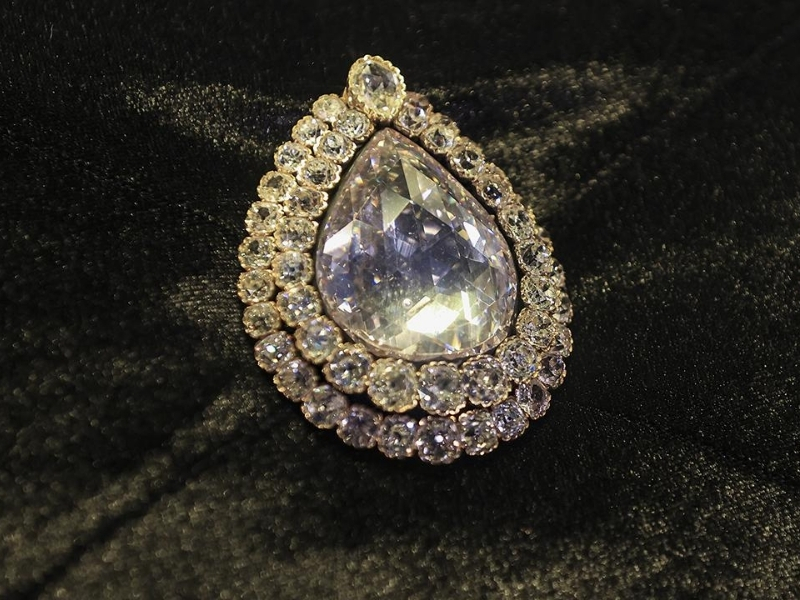
Among the palace’s greatest attractions is the Imperial Treasury, housing famed artifacts such as the Topkapi Dagger and the Spoonmaker’s Diamond one of the largest diamonds in the world. Gold, emeralds, and rubies shimmer from ceremonial objects once used by sultans, reflecting the vast wealth of the empire.
The Sacred Relics of Islam
The Pavilion of the Holy Mantle safeguards relics of deep spiritual importance, including the Prophet Muhammad’s mantle, sword, and beard. These sacred relics draw visitors from across the globe and highlight Topkapi’s enduring religious significance.
Costumes, Weapons, and Ceremonial Objects
The museum’s collection includes imperial robes embroidered with gold threads, ornate weapons, and royal armor. Each piece reveals sophisticated craftsmanship and ceremonial traditions at the Ottoman court.
Manuscripts and Miniature Artworks
Topkapi Palace preserves one of the richest collections of Ottoman manuscripts and miniature paintings. Delicately illustrated works including royal chronicles and epic tales offer insight into the empire’s literary and artistic brilliance.
Visiting Topkapi Palace Today
How to Get to Topkapi Palace
The palace is easily accessible from Sultanahmet Square by tram (T1 line; stops: Gulhane or Sultanahmet). It is within walking distance of Hagia Sophia and the Blue Mosque, making it an essential stop on any Istanbul itinerary.
Opening Hours and Best Time to Visit
Topkapi Palace is generally open every day except Tuesday. Arrive early in the morning or later in the afternoon to avoid the largest crowds and enjoy softer light in the courtyards.
Visitor Tips and Rules
- Large bags and sharp objects are not permitted inside.
- Photography is allowed in most areas; flash is prohibited in galleries.
- Wear comfortable walking shoes the complex is extensive with cobbled paths.
- Respect cultural and religious artifacts; follow staff signage at all times.
Accessibility and Facilities
Wheelchair access is available to most areas via ramps and designated routes. On-site amenities include restrooms, cafes, souvenir shops, and shaded gardens offering a quiet break between galleries.
Nearby Attractions You Shouldn’t Miss
Hagia Sophia
A masterpiece of Byzantine architecture, Hagia Sophia stands just steps away from Topkapi Palace. Its vast dome and historic mosaics are among the most celebrated in the world.
Blue Mosque
The Sultan Ahmed Mosque, widely known as the Blue Mosque, is famed for its six minarets and interior lined with tens of thousands of blue tiles.
Basilica Cistern
An underground marvel from the 6th century, the Basilica Cistern features a forest of marble columns reflected in tranquil waters and atmospheric lighting.
Gulhane Park
Once part of the palace’s outer gardens, Gulhane Park offers leafy paths, seasonal flowers, and Bosphorus views perfect for a relaxing stroll after your museum visit.
Interesting Facts About Topkapi Palace
The Diamond of the Sultan: Spoonmaker’s Diamond
Weighing an astonishing 86 carats, the Spoonmaker’s Diamond ranks among the world’s most famous jewels. Legend claims it was found by a fisherman who traded it for three spoons, unaware of its true value.
The Secret Passages of the Harem
Hidden corridors and narrow stairways once connected the sultan’s private quarters with the women’s chambers. These secret routes protected privacy and security within the palace’s inner sanctum.
Historical Events That Shaped the Palace
Topkapi Palace witnessed imperial coronations, diplomatic receptions, reforms, and palace intrigues. Its walls silently observed moments that influenced the course of both European and Asian history.